Introduction
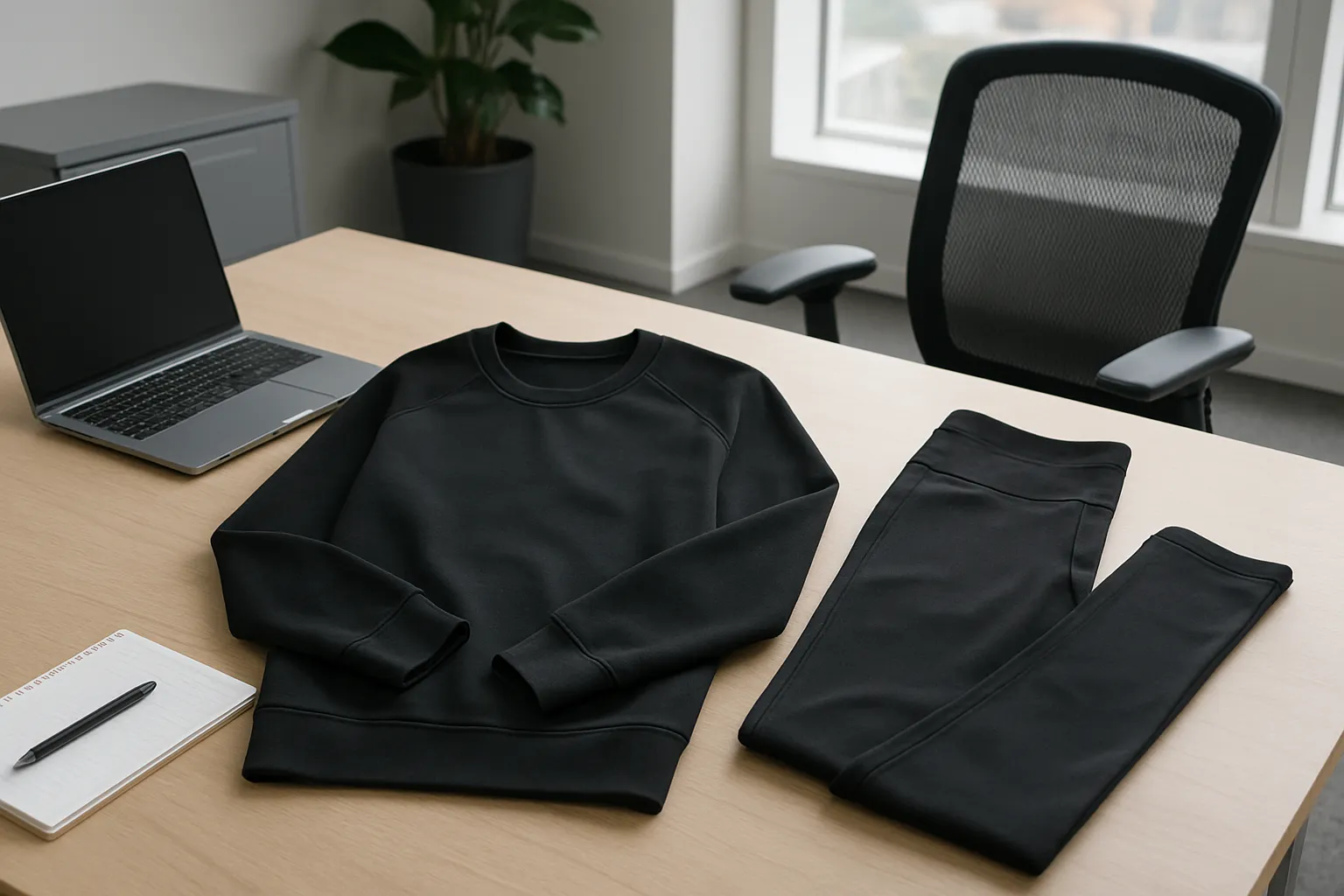
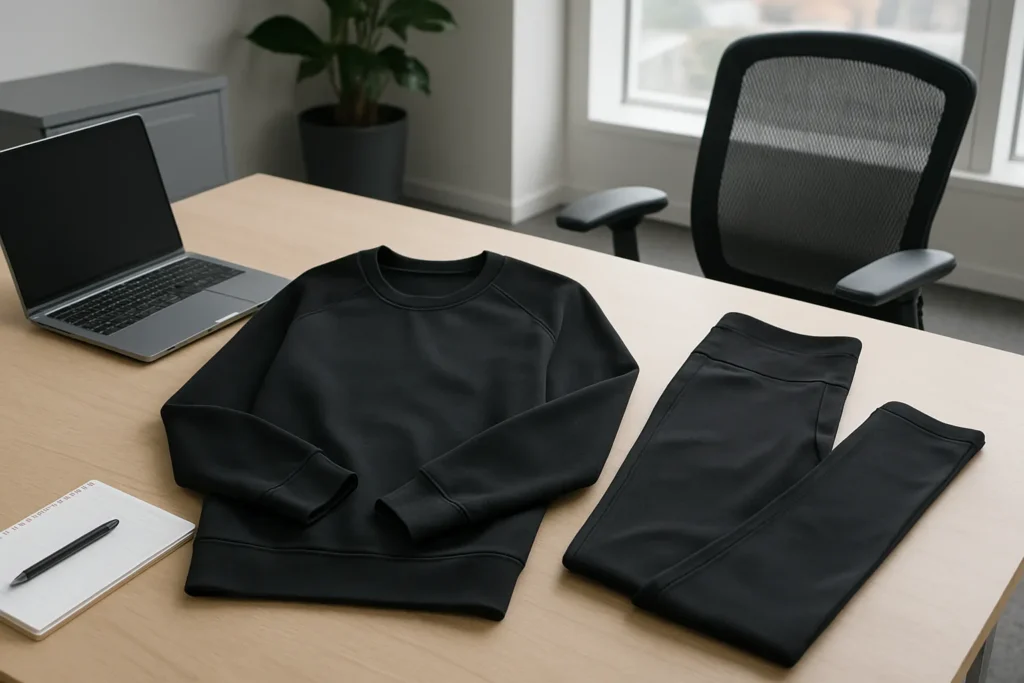
Activewear clothing has undergone a remarkable transformation in recent years, evolving from mere gym wear to a versatile clothing option suitable for various environments, including workplaces. In my experience, as companies increasingly recognize the significance of employee productivity, the role of clothing in creating a conducive work atmosphere has become a critical consideration. Activewear not only offers comfort but also fosters a health-centric culture, potentially enhancing productivity levels among employees.
Benefits of Activewear Clothing
Enhanced Comfort and Mobility
One of the standout advantages of activewear is its design, which emphasizes comfort and mobility. Unlike traditional business casual clothing, activewear is crafted from flexible, breathable fabrics that promote effortless movement. This flexibility can be especially beneficial in dynamic work environments, where employees often switch between desk tasks and collaborative activities or even engage in quick physical exercises throughout the day. By opting for activewear, employees can move with ease, minimizing distractions caused by restrictive clothing.
Impact on Employee Well-Being
Activewear can have a profound impact on employee well-being. Many activewear pieces incorporate moisture-wicking technology and ergonomic designs that support better circulation and reduce discomfort. From what I have seen, when employees feel physically at ease, they are more likely to concentrate on their responsibilities, leading to increased overall productivity. Additionally, integrating fitness and yoga apparel into daily attire can motivate employees to engage in physical activities during breaks, promoting a healthier lifestyle that enhances mental clarity and focus.
Psychological Boost from Activewear
The psychological advantages of wearing activewear should not be underestimated. Clothing significantly influences our mindset, and wearing activewear can amplify feelings of motivation and readiness to tackle tasks. Employees donning fitness-oriented apparel often feel more energized and enthusiastic about their work, which can enhance creativity and problem-solving abilities. This psychological uplift can be particularly beneficial in fast-paced business environments where innovation is essential.
Business Casual Clothing vs. Activewear
Definition of Business Casual Clothing
Business casual clothing typically refers to a dress code that merges professional attire with a more relaxed style. This category may include dress shirts, blouses, slacks, and skirts that maintain a polished look while allowing for personal expression. Although business casual clothing aims for comfort, it may not always provide the same level of flexibility as activewear.
Comparison of Comfort Levels
When we compare comfort levels, activewear often takes the lead. The materials used in activewear, such as spandex and polyester blends, are designed to offer stretch and breathability, facilitating greater movement. In contrast, business casual clothing may utilize stiffer fabrics that restrict motion, resulting in discomfort during long hours at a desk. As organizations strive to improve employee satisfaction, transitioning to activewear could be a game-changer.
Suitability for Different Work Environments
Activewear is particularly well-suited for work settings that promote physical activity or maintain a more relaxed dress code. For businesses that champion wellness initiatives or embody an active corporate culture, incorporating activewear into daily attire aligns with their values and goals. Conversely, more traditional industries may still lean towards business casual clothing; however, even in these settings, there is a growing acceptance of activewear for its comfort and practicality.
Use Cases for Activewear in the Workplace
Fitness and Yoga Apparel in Office Settings
Integrating fitness and yoga apparel into office environments can cultivate a culture of wellness. Companies might organize yoga classes during lunch breaks or offer fitness sessions after work, encouraging employees to wear activewear. This not only fosters a sense of community but also underscores the importance of balancing work and health, ultimately leading to a more engaged workforce.
Activewear for Team-Building Activities
Activewear is also perfect for team-building events that often involve physical challenges or outdoor activities. Encouraging employees to wear activewear during these occasions enhances their comfort and performance, making the experience more enjoyable. This can strengthen team dynamics and improve collaboration back in the office.
Incorporating Activewear into Company Culture
By adopting activewear as part of the company culture, organizations can demonstrate their commitment to employee well-being. This can be achieved through initiatives such as casual Fridays featuring activewear or developing wellness programs that motivate employees to lead more active lives. Such strategies can foster a positive workplace atmosphere and boost overall productivity.
Sourcing Activewear Clothing
Key Factors to Consider
When sourcing activewear clothing, businesses should consider factors such as quality, comfort, and style. It’s vital to select materials that are durable and suitable for various activities while also being visually appealing. Furthermore, companies should assess the fit and size range to ensure inclusivity for all employees.
Popular Brands and Suppliers
Several brands specialize in activewear that balances performance and style. Companies like Lululemon, Nike, and Under Armour provide a range of options suitable for the workplace. Additionally, it’s worth exploring local suppliers who may offer customization options that align with the company’s branding.
Customization Options for Businesses
Customization is a valuable aspect of sourcing activewear. Businesses can consider adding their logo or colors to activewear items to enhance brand visibility and foster a sense of belonging among employees. Customized activewear can also serve as unique promotional items for corporate events or wellness initiatives.
Implementation Strategies
Transitioning from Traditional Attire
Shifting from traditional attire to activewear necessitates careful planning. Companies should clearly communicate the benefits of activewear to employees and provide guidelines on appropriate styles and fits. A gradual implementation approach, such as introducing designated activewear days, can facilitate this transition.
Employee Buy-In and Engagement
Engaging employees in the transition process is crucial for successful implementation. Gathering feedback and involving them in discussions about activewear can foster a sense of ownership and acceptance. Additionally, offering incentives for participation, such as discounts on activewear purchases, can motivate employees to embrace the change.
Creating a Dress Code Policy
A clear dress code policy outlining expectations for activewear is essential. This policy should define what constitutes acceptable activewear, ensuring that employees feel comfortable while maintaining a professional appearance. Regular reviews of the policy can help adapt to evolving workplace dynamics and employee preferences.
FAQs about Activewear Clothing
What types of activewear are suitable for the office?
Suitable activewear for the office includes moisture-wicking tops, breathable leggings, and stylish joggers. These items can be paired with more formal pieces, like blazers or cardigans, to achieve a balanced look.
How does activewear affect employee morale?
Activewear can positively influence employee morale by promoting comfort and a sense of well-being. When employees feel good in what they wear, they are more likely to be engaged and productive.
Are there any downsides to implementing activewear in the workplace?
While activewear boasts numerous benefits, potential downsides may include varying interpretations of appropriate attire. It’s crucial to establish clear guidelines to ensure professionalism is upheld while allowing for comfort.
Conclusion
Activewear clothing presents a unique opportunity for businesses to enhance both employee productivity and well-being. By prioritizing comfort and flexibility, companies can cultivate an environment that encourages engagement and supports a healthier lifestyle. As workplaces continue to evolve, embracing activewear as part of corporate culture can lead to a more dynamic and productive workforce.