
Printed Dress Orders: Keep Variants in the Right Pack
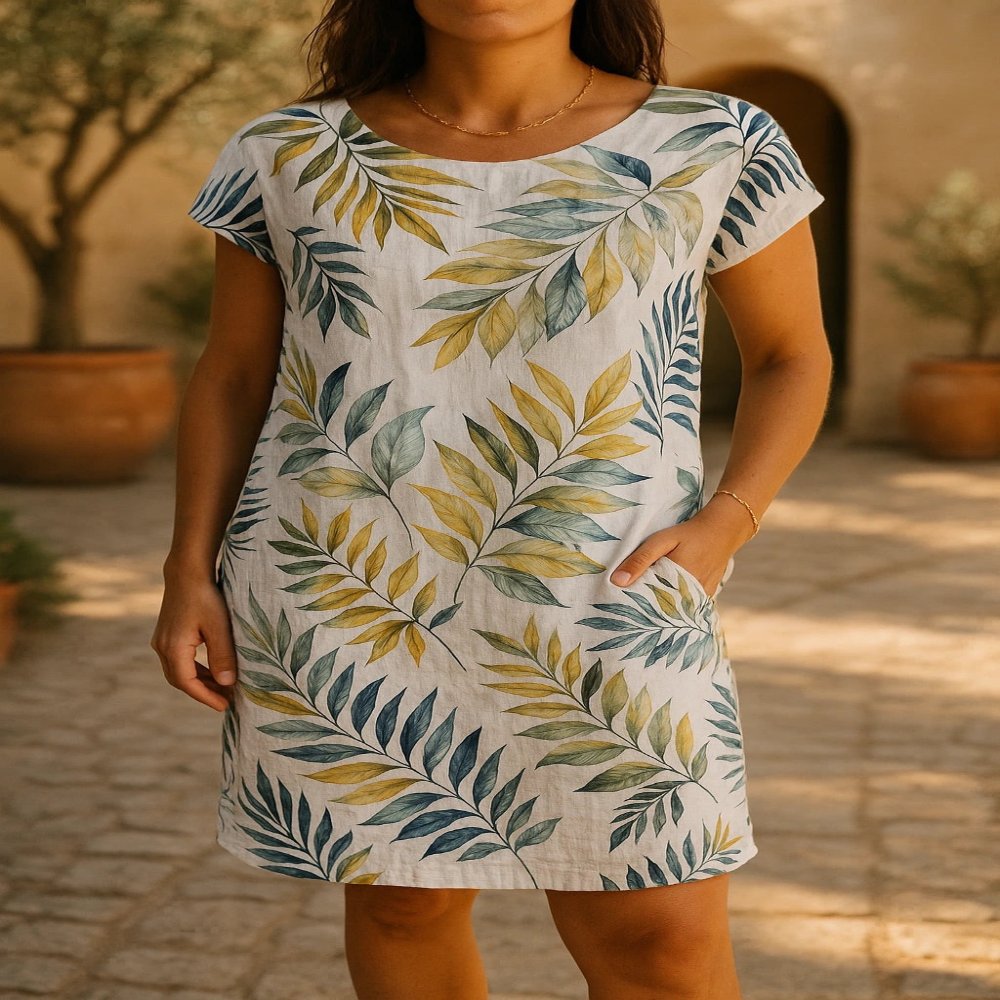
Pack printed dress orders against a variant map that connects each selected image, garment reference and size to a clear identifier. Keep similar patterns separate even when their colour names overlap. Confirm how those identifiers appear on the garment, retail pack and outer pack before ordering. A general leaf-print description is not enough to distinguish an assortment reliably.
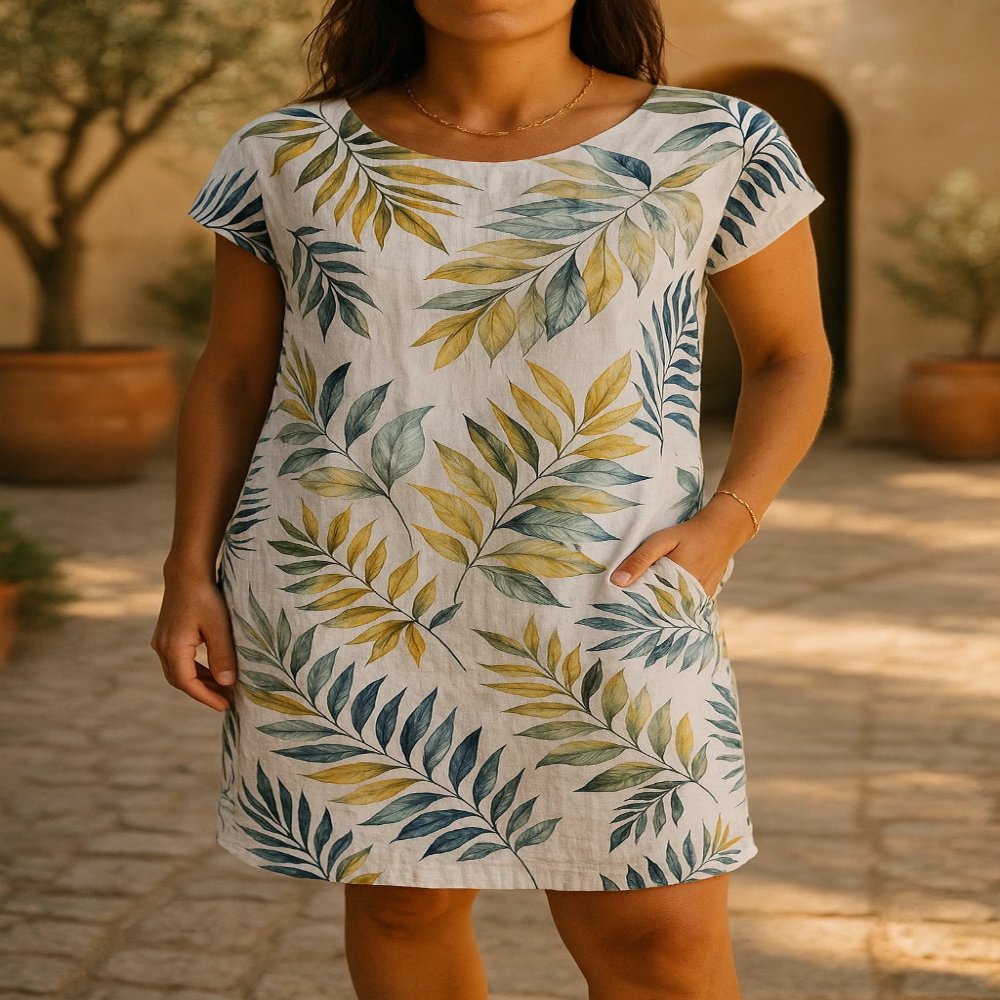
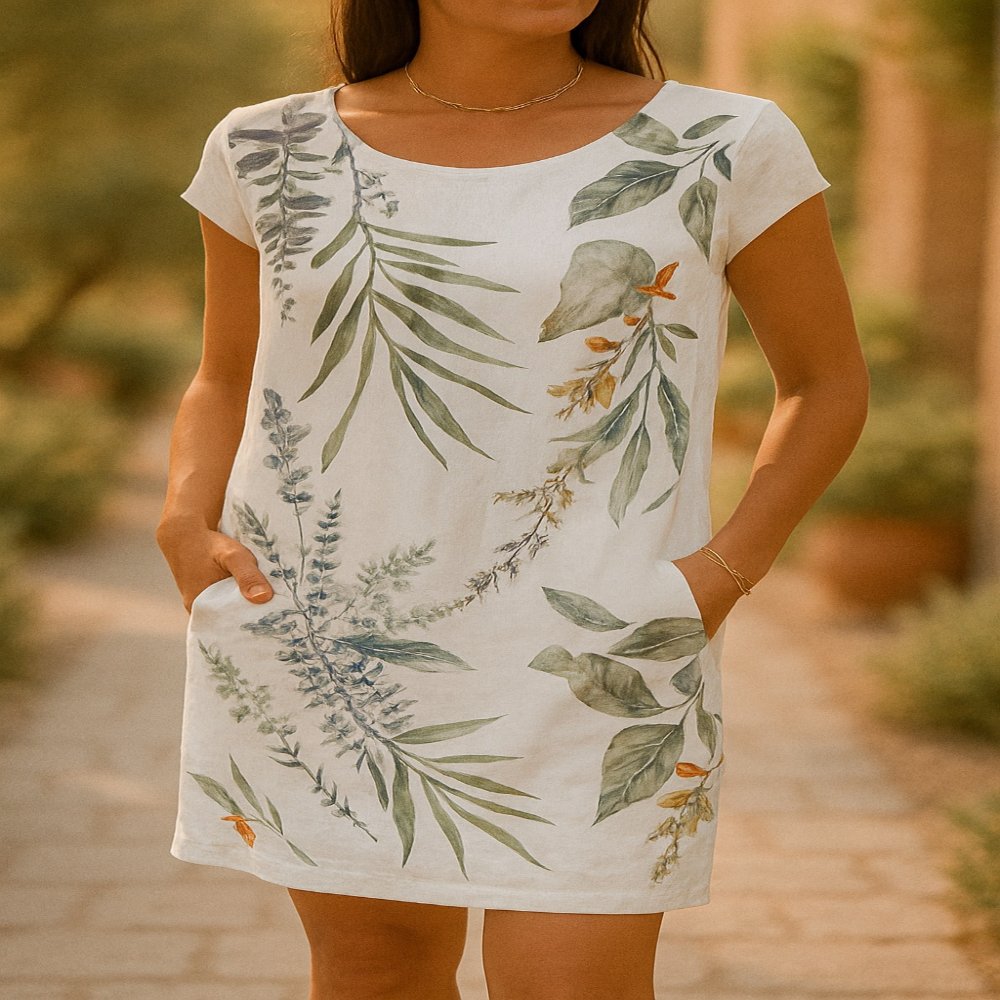
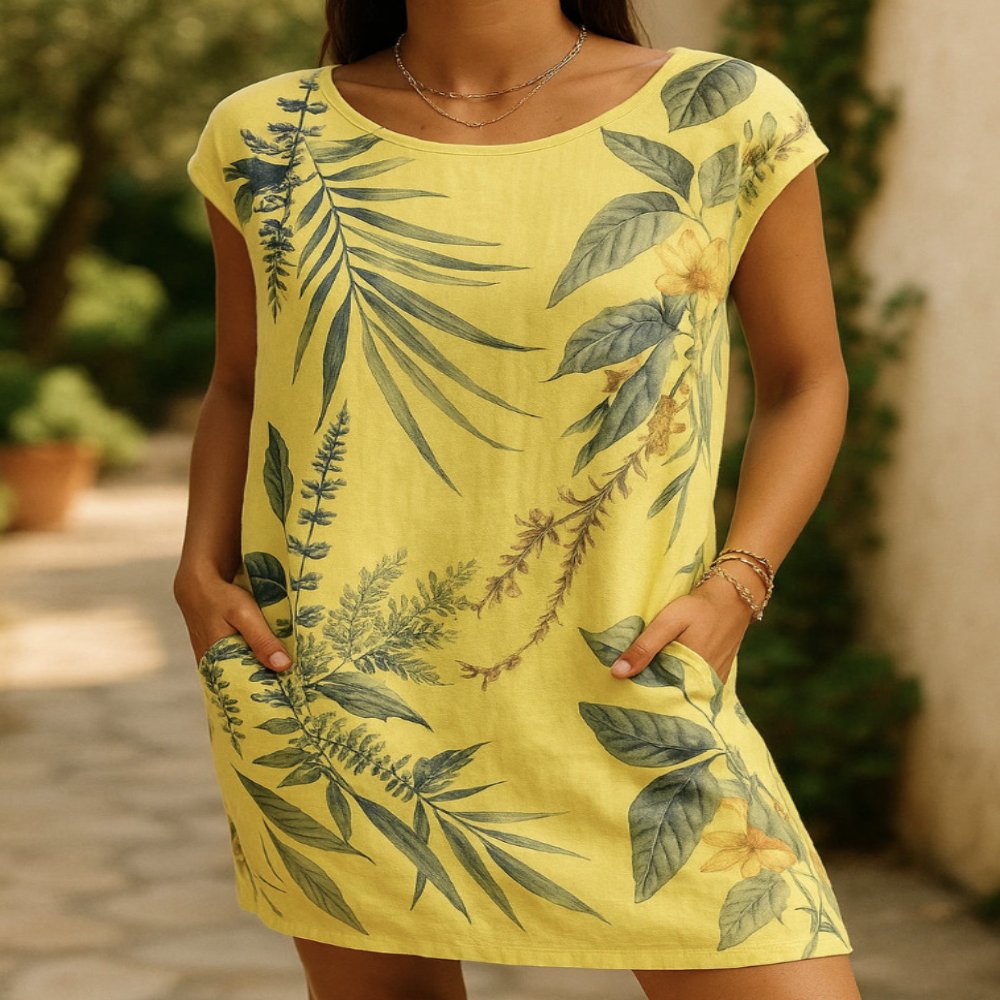
A clothing buyer may approve several botanical designs that look related but still need to arrive as distinct retail variants. The risk is an unclear reference, not simply the number of designs. Tianyou’s round-neck printed dress with pockets gallery presents several pattern and background examples. Use those actual images to build a packing map for the selected assortment.
Create an image-based variant register
Assign one identifier to every selected artwork and garment combination. Place the chosen gallery image beside it and keep the original product link in the record. Include a short description that distinguishes the pattern without attempting to replace the image. If two options share a light background, describe the visible difference rather than giving both the same informal colour label.
The apparel catalogue helps identify the base garment, while its selected gallery images identify the decorative options. Keep these two levels separate. A dress name can remain the same across several patterns, so the purchasing record needs a way to distinguish the exact variant requested.
- Give each selected image and garment combination one identifier.
- Map sizes to variants in the quantity table.
- Approve an outside label against an actual packing example.
Connect size labels to the same variant identity
Write the size and variant identifiers together in the quantity table. State the counting basis clearly so each requested number refers to individual garments or another explicitly agreed unit. Ask the supplier to confirm how the selected sizes will be identified without treating one catalogue size list as a complete garment measurement specification.
If the buyer requests different labels or retail identifiers, show how they map to the supplier’s confirmed references. Retain both sides of that mapping rather than silently replacing one with the other. This gives the receiving team a clear route from the delivered identifier to the selected image and size in the order.
| Reference level | Purpose | Example of the decision |
|---|---|---|
| Garment | Identify the selected dress body | Confirmed catalogue reference |
| Variant | Distinguish artwork and background | Chosen gallery image plus identifier |
| Packed unit | Connect delivered item to the order | Variant, size and agreed quantity basis |
Specify what should be visible outside the pack
Decide which information the receiving team needs before opening a retail pack. Provide the agreed variant and size identifiers, and explain whether a small reference image is requested. Ask which packing and labelling options are available for the selected order instead of assuming a particular bag, sticker or outer carton arrangement is already included.
Keep label content separate from unsupported product claims. Supply the information the buyer requires for the destination and ask for confirmation of the proposed wording and placement. Do not fill gaps by copying an unverified material statement or performance description from another garment merely because the designs appear in the same catalogue.
Check similar patterns with an actual packing example
Use the selected light-background leaf examples to review whether the outside identifiers are sufficiently distinct. Compare the packed sample with the image register and confirm which identifier represents it. Repeat that check for the selected background or pattern variation rather than assuming that a different colour is always obvious through the packaging.
Photograph the confirmed packing example with its garment reference visible in the approval record. If a pattern or label changes, update the corresponding register entry. Keep the previous revision available for reconciliation so a repeat order does not accidentally use an old identifier for a new artwork or a new background colour.
Make receiving and repeat orders follow the approved map
Write a receiving check that compares the outside identifier, selected size and actual contents with the order map. Describe how mismatched or unclear items should be recorded for resolution. The check should use the agreed references rather than asking the warehouse to recognise every floral pattern from memory.
Send the map, quantity table and packing example through Tianyou contact for written confirmation of current options. Use the apparel sourcing article hub for wider range planning. Retain the approved variant map with the order, and make any deliberate change to artwork, garment or identifier explicit before preparing a replenishment request.
Frequently Asked Questions
Is leaf-print dress a sufficient order description?
It may describe the family, but it does not uniquely identify similar patterns. Keep the chosen image and a distinct variant identifier together.
Can the buyer use different retail identifiers?
Provide the requested mapping and ask the supplier to confirm how it can be applied. Retain the relationship to the supplier’s actual references.
Does a catalogue image establish the packing method?
No. Ask for the available options and approve a packing example for the selected order before treating the arrangement as agreed.
What should be updated after an artwork change?
Update the affected variant entry, image, revision and label mapping. Make the change visible so the old identifier is not silently reused for a different item.