
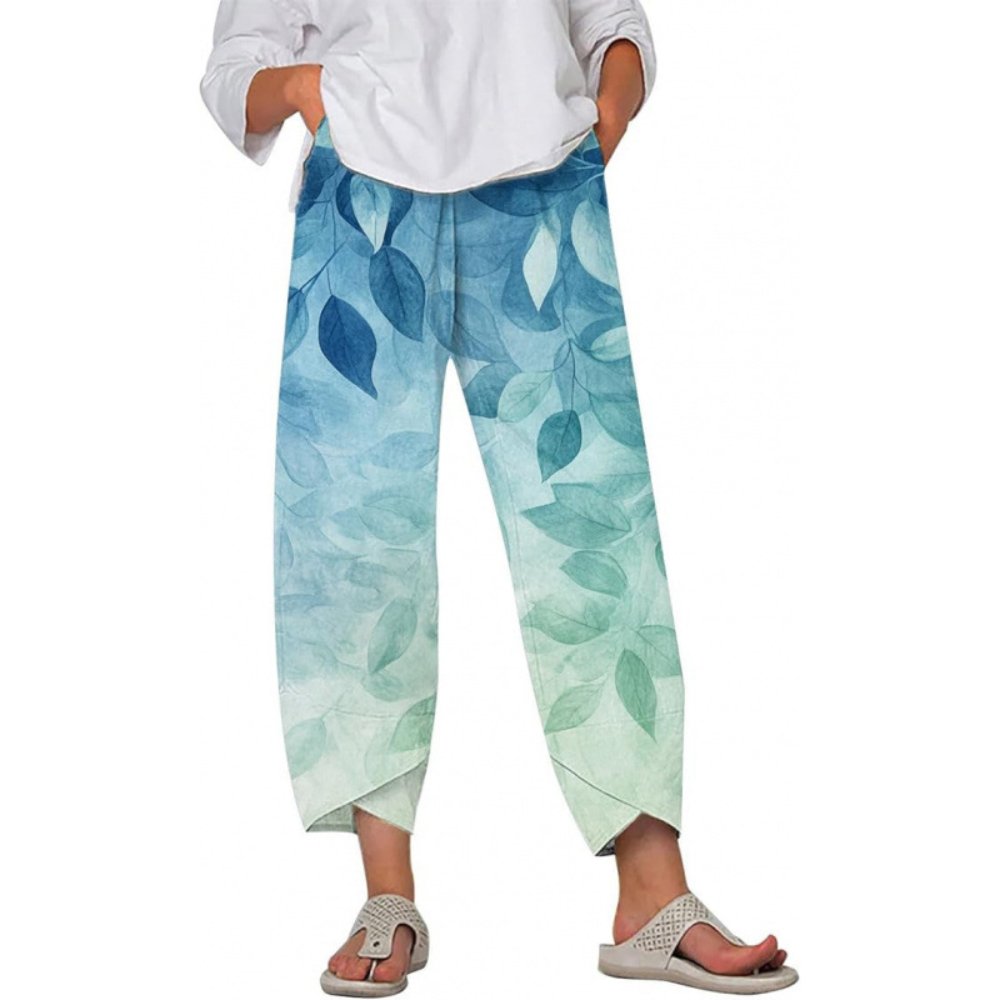
Printed Trousers: Review the Overlapping Hem
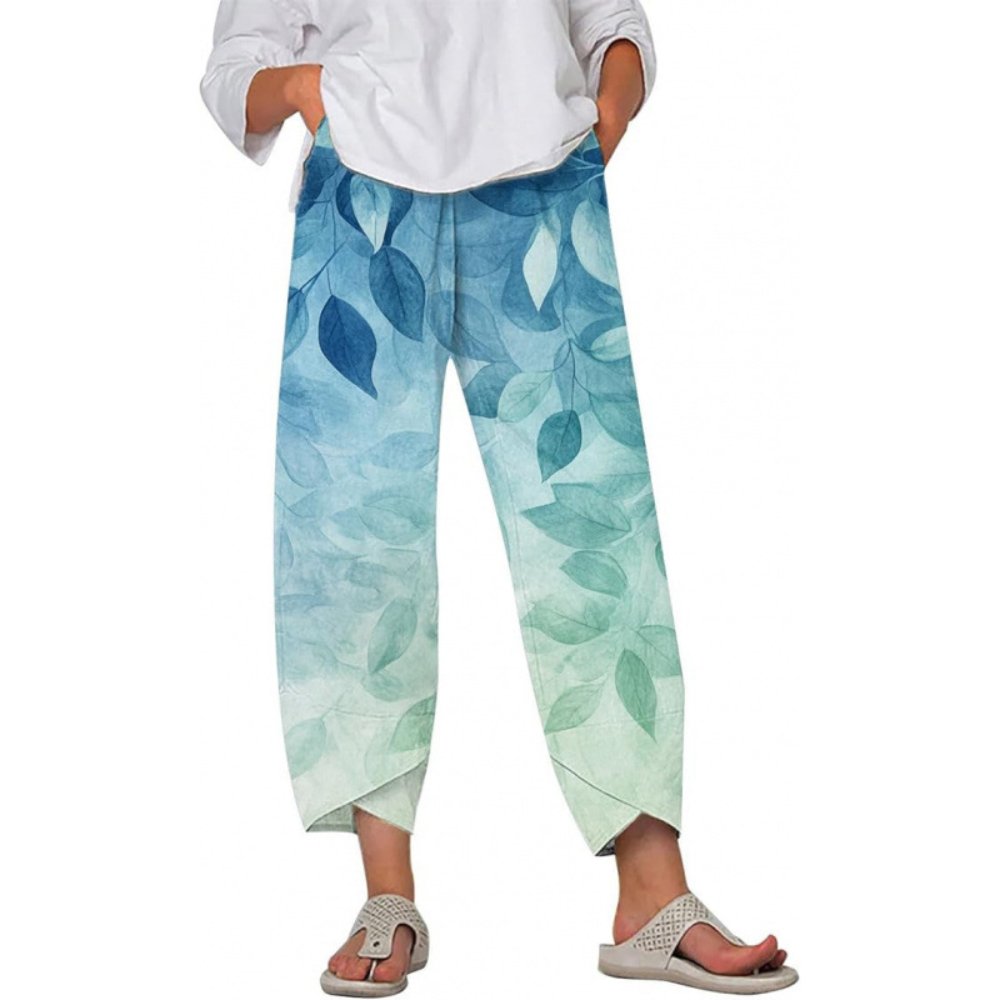
Approve trousers with an overlapping hem by identifying which edge sits above the other, where the overlap begins and how the lower outline should look on the selected fit reference. Request dimensions and inspect the actual sample. A catalogue pose or a printed motif near the ankle does not establish the complete hem construction or its intended opening.
For a trouser buyer, the lower-leg detail may be the feature that distinguishes the item from an ordinary straight hem. It should therefore be part of the specification, not an incidental detail in a styled image. Tianyou’s printed loose-fit trouser reference shows an overlapping lower outline across several pattern examples. Use that observable feature to organise a precise sample enquiry.
Describe the overlap using an annotated view
Start with the chosen product image and mark the visible front edge, the layer behind it and the point where their relationship changes. Ask for the corresponding side and inside views of the selected sample. This helps the buyer distinguish an intentional overlapping design from a fold created only by the model’s pose.
Retain the exact gallery image as the appearance reference. The Tianyou clothing directory includes other garment families, so a general request for printed pants is not enough to identify this lower-leg treatment. Write the feature into the enquiry and ask which available sample represents the requested design.
- Mark the visible edge and the layer behind it.
- Define measurement locations on the selected garment.
- Record both legs and the relevant ordinary movement views.
Request the measurements that define the lower outline
Ask for a garment diagram showing the overall length and the relevant lower-leg measurements. Identify how the overlap and finished edges are measured rather than assigning dimensions from the photograph. Specify the selected size and whether measurements are taken with the garment flat or in another agreed position.
Keep those measurements separate from the intended worn result. A recorded garment length and the visible ankle coverage are related but different observations. Use the same fit reference and footwear arrangement when reviewing the sample so that a change in styling does not conceal a change in the lower outline.
| Hem question | Useful reference | What needs agreement |
|---|---|---|
| Edge relationship | Annotated front and side images | Which area overlaps and where |
| Length | Garment measurement diagram | Start/end points and selected size |
| Artwork visibility | Marked motif near the lower edge | Intended interruption or clear area |
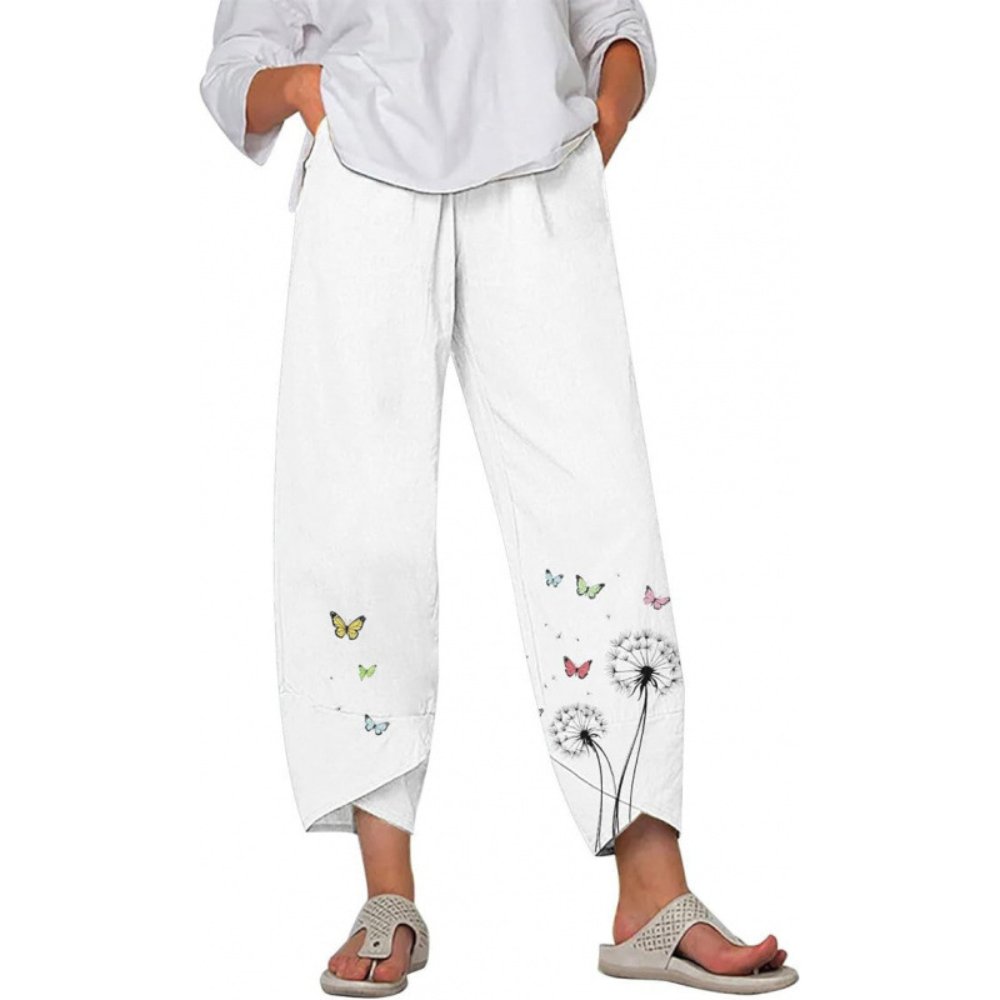
Observe the hem in ordinary movement
Ask the reviewer to show the sample standing, walking and sitting in the positions agreed for the review. Note whether the edges rest as intended or reveal an unexpected gap. Record the exact position and view that explains an issue. This gives the supplier a concrete observation without turning a brief sample review into a general performance guarantee.
Review both legs and identify which side is being discussed in the sample comments. If the buyer expects a mirrored or otherwise defined relationship, state that expectation clearly and request confirmation. Do not infer a tolerance or an intentional asymmetry from one catalogue angle; both belong in an agreed specification.
Keep important motifs away from unclear edges
Mark the artwork elements that should remain visible near the lower leg. Ask whether the design is intended to sit within one area or may be interrupted by the overlapping edge. Confirm the placement request with the supplier rather than promising that every motif will align exactly across the finished construction.
The trouser gallery includes leaf, small floral-subject and rose-pattern examples. Each helps identify a decorative direction, but none should replace the selected hem specification. Keep the print reference and garment revision together so that a pattern change does not accidentally introduce a different lower-leg arrangement or an unapproved crop.
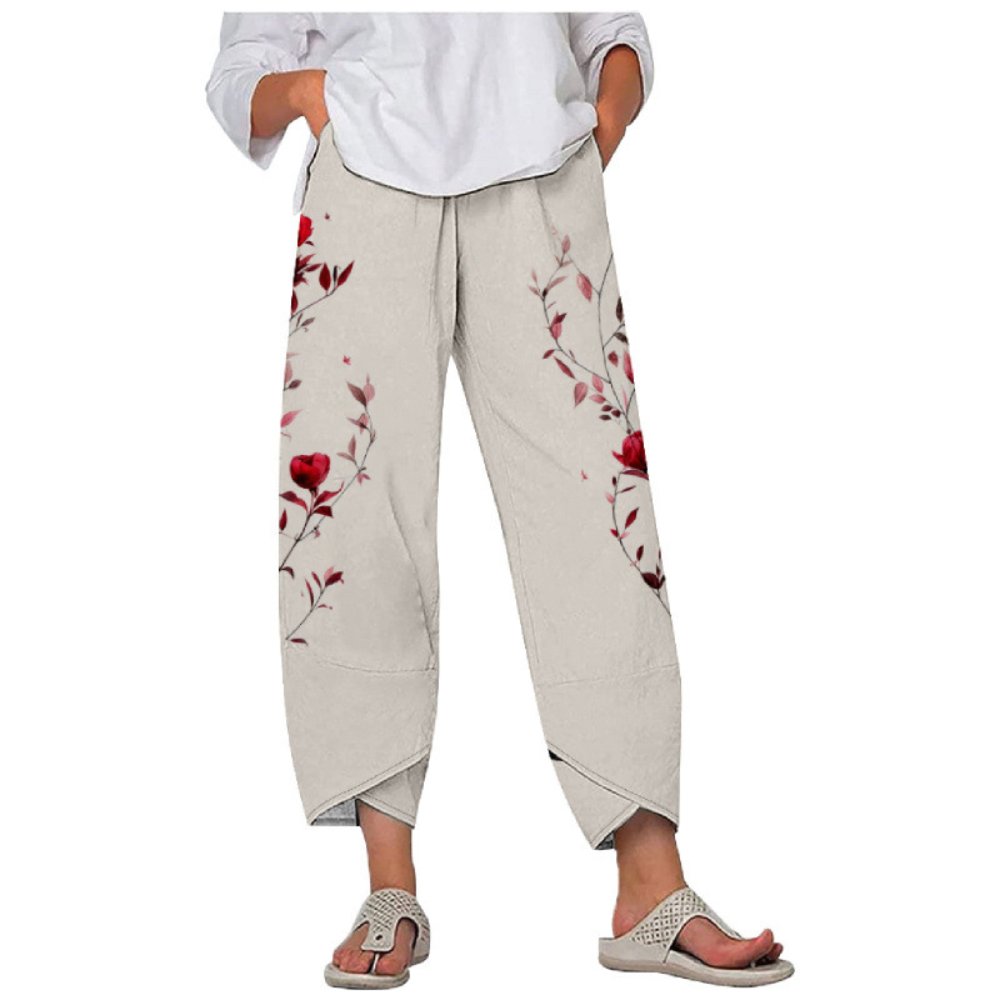
Close the hem comments before preparing the order
Collect the marked image, garment diagram and sample observations into one record. Separate accepted construction details from requested changes. If the supplier proposes another overlap arrangement or finished edge, review that version against the intended outline before treating it as equivalent to the original reference.
Use Tianyou’s enquiry page to send the selected configuration and proposed size assortment. Request current options and written confirmation of the sample specification. The apparel buying article hub provides broader planning context, while this record defines the lower-leg detail. Ask separately for any material, care or production information the retail offer requires.
Frequently Asked Questions
Can an overlapping hem be specified from one front photo?
Use the image to identify the direction, then request side and inside views plus relevant measurements for the actual sample.
Does a styled ankle view establish garment length?
No. Request a measured length and review it separately from the hem position on the chosen wearer reference.
Should both trouser legs be included in the record?
Yes. Identify the side in each comment and state any expected relationship between them rather than leaving it implicit.
Can a print change leave the hem approval untouched?
Confirm that the garment configuration remains the same. Review any motif relationship affected by the lower edges and retain the revised artwork reference.